

Understanding the psychology behind gambling Why we take risks in casinos
The Allure of Gambling: What Draws Us In
Gambling captivates individuals for various reasons, with excitement and the possibility of winning significant rewards being two of the most compelling factors. The thrill associated with placing a bet and the suspense of waiting for the outcome stimulates the brain’s reward system, releasing neurotransmitters like dopamine. This chemical reaction not only reinforces the behavior but also creates a powerful emotional connection to the gambling experience. Many people explore different platforms for play, such as www.vanguardngr.com/2025/09/download-and-install-1xbet-aviator-app/, to enhance their gambling excitement.
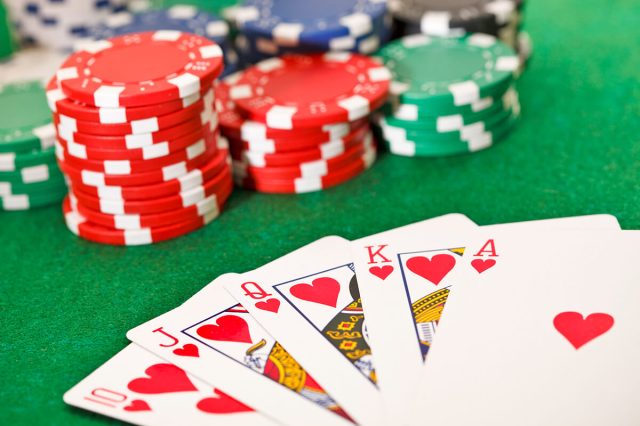
Moreover, social interactions play a significant role in the appeal of casinos. Many people enjoy the communal atmosphere, where shared excitement and tension can enhance the experience. This social dimension, combined with the potential for financial gain, creates a perfect storm that entices individuals to take risks in gambling environments.
The Psychological Mechanisms at Play
Several psychological theories help explain why people engage in gambling despite the inherent risks. One such theory is the concept of “loss aversion,” which suggests that the pain of losing is more impactful than the pleasure of winning. This can lead individuals to chase losses, further increasing their risk-taking behaviors. The desire to regain what has been lost often overshadows rational decision-making.
Additionally, the “illusion of control” plays a crucial role in gambling psychology. Many players believe they can influence the outcome of games based on their skills or strategies, even in predominantly chance-based activities. This illusion can lead to overconfidence, which encourages continued participation and heightened risk-taking in the hopes of achieving a favorable outcome.
The Role of Environmental Factors
The environment in which gambling takes place can significantly impact individual behaviors and decisions. Casinos are designed to stimulate the senses and create an atmosphere conducive to spending money. Bright lights, engaging sounds, and the absence of clocks or windows create an immersive experience that can distort time perception and encourage prolonged play.
Moreover, marketing strategies employed by casinos, including promotions and rewards programs, can further entice individuals to engage in risk-taking. These tactics often leverage psychological principles such as scarcity and social proof, creating an environment where the urge to gamble is heightened and difficult to resist.
The Impact of Gambling on Society
The effects of gambling extend beyond individual players and can have significant societal implications. While many gamble responsibly, a portion of the population may develop gambling disorders, leading to financial distress, relationship issues, and other negative outcomes. The prevalence of gambling-related problems raises concerns about the need for awareness and responsible gambling initiatives.
Furthermore, the economic impact of gambling can be both positive and negative. While casinos contribute to local economies through job creation and tax revenues, they can also strain social services as communities address the consequences of problem gambling. This duality presents a complex challenge for policymakers and society as a whole.
About This Website
This website aims to provide valuable insights into the psychology of gambling, exploring both its allure and the risks involved. By fostering understanding, we hope to encourage responsible gambling practices and promote awareness of the psychological factors at play. Our goal is to educate readers on the complexities of gambling behavior and its broader societal impacts.
Through engaging content and expert perspectives, we strive to be a reliable resource for individuals seeking to navigate the world of gambling. We believe that informed decisions can lead to healthier relationships with gambling activities, ensuring that the thrill remains enjoyable without compromising well-being.